Peanut butter is a familiar spread in many kitchens, often associated with childhood lunches and quick snacks. But a study published in the British Medical Journal (BMJ) in 2004 suggests it may offer a specific health benefit: a lower risk of gallstone surgery. The research, led by Dr. Edward Giovannucci of the Harvard School of Public Health, followed nearly 50,000 men over 14 years and found that those who ate four weekly servings of peanut butter had a 12 percent lower chance of needing a cholecystectomy—the surgical removal of the gallbladder—compared with men who rarely ate it. The study drew on data from the Health Professionals Follow-up Study, a long-running cohort that tracks diet, lifestyle, and health outcomes among male health workers. Participants completed detailed food frequency questionnaires every four years, and researchers documented surgeries for gallstone disease. Over the follow-up period, more than 2,400 men underwent cholecystectomy.
The Surprising Link Between a Pantry Staple and Gallbladder Health
After adjusting for known risk factors—including age, body mass index (BMI), physical activity, and overall dietary quality—the association held. Men who consumed peanut butter at least four times per week (a serving was defined as one tablespoon) had a 12 percent lower risk of gallstone surgery compared with those who ate it less than once per month. The link was dose-dependent: more frequent consumption was tied to lower risk.
The researchers also looked at whole peanuts and other nuts. Eating nuts five or more times per week was associated with a 22 percent lower risk of gallstone surgery. Peanut butter alone showed a similar pattern, though the effect was slightly weaker. The authors speculated that the unsaturated fats and other compounds in peanuts might influence bile composition in a way that discourages stone formation.
This was an observational study, so it cannot prove cause and effect. However, the large sample size and long follow-up lend weight to the findings. Similar associations have been seen in women, though the current study included only men.
For context, gallstone disease is common: roughly 10 to 15 percent of adults in the United States have gallstones, though many never develop symptoms. When stones do cause problems—such as pain, infection, or blockage—surgery is often the recommended treatment. Cholecystectomy is one of the most frequently performed surgeries in the country, with more than 600,000 procedures done annually.
Why Gallstones Form and Why Surgery Matters
Gallstones are hardened deposits of digestive fluid that form in the gallbladder, a small organ located under the liver. The two main types are cholesterol stones, which account for about 80 percent of cases, and pigment stones, made of bilirubin. Cholesterol stones form when bile contains too much cholesterol, too little bile salts, or both. The gallbladder may not empty properly, allowing cholesterol to concentrate and crystallize.
Risk factors for gallstones include obesity, a high-fat or high-cholesterol diet, rapid weight loss, diabetes, and certain medications. Women are at higher risk than men, partly due to estrogen's effect on cholesterol secretion. Age also plays a role: gallstones become more common after 40.
When gallstones cause symptoms—such as sharp pain in the upper right abdomen, nausea, or bloating—doctors often recommend removing the gallbladder. While the organ is not essential for survival, its removal is not trivial. Cholecystectomy carries surgical risks, including infection, bleeding, and bile duct injury. Recovery typically takes a few weeks, and some people experience digestive changes afterward, such as diarrhea (affecting up to 10 percent of patients) or difficulty digesting fatty foods, which can lead to bloating and steatorrhea.
Given these downsides, preventing gallstones in the first place is an appealing strategy. Diet is a modifiable risk factor, and the peanut butter study suggests that small, consistent changes might make a difference. The idea is that unsaturated fats, like those found in peanuts, may reduce cholesterol secretion into bile, lowering the likelihood of stone formation.
Saturated fats, by contrast, have been linked to higher cholesterol levels in bile. Replacing saturated fat sources—such as butter or cheese—with peanut butter could shift the balance toward a less lithogenic bile profile. However, the evidence is not definitive, and individual responses vary.
Peanut Butter's Nutrient Profile: More Than Just Fat
Peanut butter is energy-dense: a two-tablespoon serving contains about 190 calories and 16 grams of fat. But the fat is predominantly monounsaturated and polyunsaturated, which are associated with better cardiovascular health. Peanuts also provide plant protein (about 8 grams per serving), fiber (2 grams), and a range of micronutrients.
Magnesium, for example, is present in meaningful amounts—roughly 50 milligrams per serving, or about 12 percent of the daily value. Magnesium plays a role in muscle function and blood sugar regulation. Vitamin E, an antioxidant, is also found in peanuts, though levels vary by processing method. Natural peanut butter tends to retain more nutrients than brands that add sugar and hydrogenated oils.
Fiber and protein together contribute to satiety, which may help with weight management. Maintaining a healthy weight is important for gallbladder health, since obesity is a strong risk factor for gallstones. Some research suggests that nuts, including peanuts, may promote weight loss when eaten in moderation as part of a calorie-controlled diet.
Choosing peanut butter wisely is important. Many commercial varieties contain added sugars, salt, and partially hydrogenated oils—sources of trans fat, which can negate some health benefits. The study used natural peanut butter (defined as peanuts and salt only). A serving of two tablespoons, or about 32 grams, is a reasonable amount; eating more than that could add excess calories.
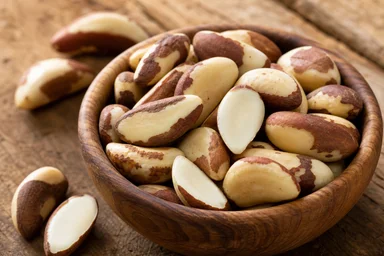
For those who cannot tolerate peanuts, other nut butters—such as almond or cashew—offer similar unsaturated fat profiles. The study found that other nuts also appeared protective, though the data for peanut butter were strongest in this particular analysis.
How the Study Was Designed and Its Limitations
The Health Professionals Follow-up Study is a prospective cohort that began in 1986, enrolling 51,529 male dentists, pharmacists, veterinarians, and other health workers aged 40 to 75. Participants completed biennial health questionnaires and food frequency surveys every four years. The analysis for gallstone surgery included data through 2000.
To isolate the effect of peanut butter, researchers adjusted for age, BMI, physical activity, smoking, total calorie intake, and consumption of other foods. They also accounted for dietary fiber, magnesium, and vitamin E to see whether those nutrients explained the link. Even after these adjustments, the association remained.
However, observational studies cannot rule out confounding. Men who eat peanut butter regularly may also have other healthy habits—such as lower red meat intake or higher fruit consumption—that contribute to lower gallstone risk. The statistical adjustments help but may not capture all differences.
Another limitation is that the study included only men. Gallstone disease is more common in women, so the findings may not generalize directly. A later study from the Nurses' Health Study, also led by Harvard researchers, found similar protective associations for nuts in women, but the magnitude varied. As of late 2024, no large randomized trial has tested peanut butter for gallstone prevention.
Finally, the study relied on self-reported diet, which can be imprecise. People may overestimate or underestimate how much peanut butter they eat. Still, food frequency questionnaires are a standard tool in nutritional epidemiology and have reasonable validity.
Practical Takeaways: Choosing and Using Peanut Butter
If you want to incorporate peanut butter in a way that aligns with the study findings, here are some evidence-informed suggestions:
- Opt for natural peanut butter with no added sugar, salt, or hydrogenated oils. Check the ingredient list: it should say "peanuts" and maybe "salt."
- Stick to one serving (two tablespoons) per day if you eat it four times a week. Measure it to avoid overconsumption.
- Use it as a replacement for saturated-fat spreads like butter or cream cheese on toast, crackers, or rice cakes.
- Add a spoonful to oatmeal, smoothies, or yogurt for extra protein and flavor.
- Pair it with whole-grain crackers or apple slices for a balanced snack.
There is no need to eat peanut butter every day—the study's threshold was four servings per week. More is not necessarily better, given the calorie density. Also, if you have a history of gallstones or gallbladder issues, consult your doctor before making dietary changes. Some people with existing gallstones may find that fatty foods trigger symptoms, and peanut butter could be a problem in those cases.
For those who prefer whole peanuts, a handful (about 1 ounce) provides similar nutrients. Roasted, unsalted peanuts are a good option. The study found that nuts in general were protective, so almonds, walnuts, and cashews are reasonable alternatives.
Beyond the Gallbladder: Other Potential Benefits
The same nutrients that may help prevent gallstones—unsaturated fats, fiber, magnesium, and antioxidants—are linked to other health outcomes. For example, a large body of evidence supports the role of nuts in reducing cardiovascular disease risk. A 2017 meta-analysis of cohort studies found that each daily serving of nuts was associated with a 24 percent lower risk of coronary heart disease.
Peanut butter's protein and fiber content can also aid weight management by promoting fullness. A 2018 trial found that people who ate peanuts as a snack reported less hunger and ate less at subsequent meals. Maintaining a healthy weight, in turn, lowers the risk of many chronic conditions, including type 2 diabetes and certain cancers.
Blood sugar control is another area where peanuts may help. Their low glycemic index means they cause a gradual rise in blood glucose, which is beneficial for people with insulin resistance. Some studies suggest that regular nut consumption is associated with a lower risk of developing type 2 diabetes.
Peanuts also contain resveratrol, an antioxidant compound found in red wine and grapes, though in smaller amounts. While resveratrol has been studied for its anti-aging properties, the levels in peanuts are probably too low to have a significant effect. Still, the overall nutrient package aligns with a Mediterranean-style diet, which is widely recommended for long-term health.
Peanut butter is not a magic bullet. The benefits observed in studies are modest and come from replacing less healthy foods, not adding extra calories. If you add peanut butter to a diet already high in saturated fat and sugar, you may not see the same results.
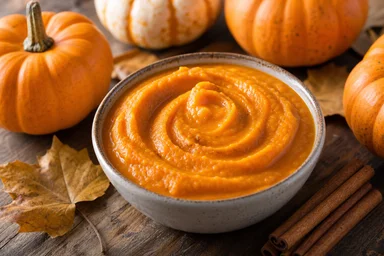
For a similar dietary approach, you might consider three weekly servings of canned pumpkin, which was tied to lower blood pressure, or three weekly servings of tempeh, linked to lower visceral fat gain. These foods, like peanut butter, are nutrient-dense and fit into a balanced eating pattern.
What the Finding Means for Your Weekly Grocery List
The headline figure—four weekly servings of peanut butter associated with a 12 percent lower risk of gallstone surgery—is modest but meaningful. At a population level, that could translate to thousands of avoided surgeries each year. But for an individual, the absolute risk reduction depends on baseline risk. Someone with no other risk factors may see a smaller benefit than someone with obesity or a family history of gallstones.
Four servings per week translates to about eight tablespoons, or roughly half a standard jar per month. That is a manageable amount for most people. The cost is low: a jar of natural peanut butter often costs less than $5 and lasts several weeks. Compared with many preventive health strategies, this one is simple and affordable.
Still, it is important to keep perspective. No single food determines health outcomes. The study does not prove that eating peanut butter will prevent gallstones, only that it is associated with lower risk in a specific population. The broader dietary pattern matters more. A diet rich in fruits, vegetables, whole grains, lean protein, and healthy fats—including nuts—is likely the best approach.
If you have a history of gallstones or gallbladder problems, talk to your healthcare provider before increasing peanut butter intake. In some cases, a low-fat diet is recommended to manage symptoms, and peanut butter's fat content could be problematic. For most people, however, moderate consumption appears safe and potentially beneficial.
As with many nutrition studies, the takeaway is not to overhaul your diet overnight but to consider small, sustainable changes. Adding a serving of peanut butter a few times a week, in place of less healthy fats, is one such change. Combined with regular physical activity and a balanced diet, it may contribute to better gallbladder health over the long term.