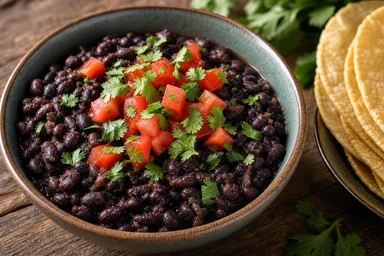
Black beans have long been a staple in Latin American cuisine, but new research suggests they deserve a regular spot on plates everywhere. A 2023 randomized crossover trial found that eating five half-cup servings of black beans per week reduced post-meal blood sugar spikes by an average of 14 percent. For anyone concerned about glucose control, this modest dietary change could offer measurable benefits without requiring drastic overhauls.
Why a 14 Percent Drop in Blood Sugar Spikes Matters
Post-meal glucose surges are more than a temporary energy high. Repeated spikes damage blood vessel linings over time, increasing the risk of cardiovascular disease and contributing to insulin resistance. Even small reductions in these spikes can lower the likelihood of developing type 2 diabetes. A 2019 meta-analysis in Diabetologia estimated that every 0.5 millimole per liter reduction in postprandial glucose is associated with roughly a 10 percent lower risk of diabetes complications.
Black beans work through a straightforward mechanism: their soluble fiber forms a gel-like substance in the digestive tract that slows the breakdown and absorption of carbohydrates. This blunts the rapid rise in blood glucose that often follows a meal heavy in refined starches. The beans also provide protein, which further delays gastric emptying and promotes satiety.
The 14 percent reduction observed in the study is clinically meaningful. For comparison, some diabetes medications lower post-meal glucose by 20 to 30 percent. A dietary intervention that achieves nearly half that effect with no side effects—and at a low cost—is worth considering for anyone looking to stabilize their blood sugar.
The Legume Deficit in Western Diets
Despite the known benefits, legume consumption in many Western countries remains far below recommended levels. The Dietary Guidelines for Americans suggest 1.5 to 2 cups of legumes per week for adults, but actual intake averages less than half a cup. A cultural shift from beans to refined grains and convenience foods has displaced these traditional staples.
Public health campaigns have tried to reverse this trend. Canada's Food Guide, updated in 2019, now emphasizes plant-based proteins like beans, lentils, and tofu as primary protein sources. Similarly, the EAT-Lancet Commission's planetary health diet recommends legumes as a cornerstone of sustainable eating. Yet many people still view beans as a side dish rather than a main protein source.
Convenience is a major barrier. Dried beans require soaking and long cooking times, while canned beans are often perceived as less healthy due to added sodium. However, rinsing canned beans can reduce sodium content by up to 40 percent, making them a practical alternative. The study itself used canned black beans, rinsed and drained, suggesting that convenience does not negate the benefits.
What the Research Actually Found
The study, published in Nutrients in 2023, enrolled 24 adults with overweight or obesity—a group at higher risk for insulin resistance. Participants were randomly assigned to either a diet including five weekly servings of black beans (each serving half a cup) or a control diet matching energy and macronutrient content but without legumes. After four weeks, participants crossed over to the other diet.
Continuous glucose monitors tracked blood sugar throughout the day. The primary outcome was the mean glucose peak after meals. When participants ate black beans, their average peak glucose was 14 percent lower than during the control period. Secondary outcomes included time spent in hyperglycemia (glucose above 7.8 mmol/L), which also decreased.
The researchers noted that the effect was most pronounced after breakfast, perhaps because that meal often contains higher-carbohydrate foods like cereal or toast. Substituting or adding black beans in the morning could be a strategic intervention. However, the study was small and short-term; longer trials are needed to confirm sustained effects on HbA1c or diabetes incidence. For example, a 2021 study in Diabetes Care followed participants for six months and found that daily legume consumption reduced HbA1c by 0.3% compared to a control diet, but adherence declined over time.
How Black Beans Compare to Other Carb Choices
Not all carbohydrates affect blood sugar equally. White rice, for example, has a glycemic index (GI) of around 73, meaning it causes a rapid spike. Whole grains like brown rice have a moderate GI of about 68, but black beans score roughly 30—a low GI. The difference lies in fiber: a half-cup of black beans provides 7.5 grams of fiber, while the same amount of white rice offers less than 1 gram.
Protein also plays a role. Black beans contain about 8 grams of protein per half-cup, which helps slow digestion and sustain energy. In contrast, refined carbohydrates lack protein and are rapidly absorbed. A 2017 study in the American Journal of Clinical Nutrition found that replacing a serving of rice with beans reduced post-meal glucose by 20 percent, an effect similar to the black bean trial.
Legumes also outperform many whole grains in terms of nutrient density. They are rich in folate, magnesium, and potassium—nutrients often lacking in Western diets. For people who struggle with blood sugar control, swapping a portion of starchy sides for black beans could be a straightforward strategy. Even partially replacing meat with beans in dishes like chili or tacos can lower the overall glycemic load of the meal. For instance, a 2022 study in Nutrients showed that replacing 50% of ground beef with black beans in a taco meal reduced the glycemic index from 68 to 45.
Practical Ways to Add Five Servings a Week
Five servings may sound like a lot, but with some planning it's manageable. Batch-cooking dried beans on weekends is a cost-effective strategy: one cup of dried beans yields about three cups cooked, enough for six servings. Alternatively, canned beans are ready to use after a quick rinse. Aim for half a cup per serving, about the size of a small fist.
Incorporate black beans into familiar meals. Add them to salads for extra fiber, toss them into soups or stews, or use them as a filling for tacos and burritos. They can also replace part of the meat in burgers or chili—a swap that reduces saturated fat while boosting fiber. For a snack, roast rinsed and dried black beans with olive oil and spices like cumin or paprika until crispy.
A sample weekly plan might include: black bean tacos on Monday, a bean and corn salad on Wednesday, black bean soup on Friday, and roasted beans as a snack twice over the weekend. Pairing beans with a source of vitamin C, such as tomatoes or bell peppers, enhances iron absorption—a bonus for plant-based eaters. Another idea: blend black beans into a dip with garlic and lime for a fiber-rich spread.
For a more structured approach, consider a meal prep Sunday: cook a large batch of black beans (dried or canned) and portion them into containers. Use them throughout the week in different dishes. For example, on Monday add half a cup to a breakfast scramble with eggs and vegetables. On Tuesday, mix into a quinoa bowl with avocado and salsa. On Wednesday, blend into a soup with vegetable broth and spices. On Thursday, use as a base for a vegetarian burger patty. On Friday, top a baked potato with black beans, cheese, and green onions. This variety prevents boredom and ensures consistent intake.
Potential Pitfalls and How to Avoid Them
Sudden increases in legume intake can cause gas and bloating due to oligosaccharides—complex sugars that humans cannot fully digest. To minimize discomfort, introduce black beans gradually over two weeks. Start with two or three servings per week and increase slowly. Rinsing canned beans helps remove some of the oligosaccharides, and soaking dried beans thoroughly before cooking further reduces them.
Digestive aids like cumin, ginger, or fennel can also help. Adding a pinch of asafoetida (a spice common in Indian cooking) to bean dishes is a traditional remedy for gas. Chewing thoroughly and drinking plenty of water also ease digestion. For most people, symptoms subside within a few weeks as the gut microbiome adapts. However, individuals with irritable bowel syndrome (IBS) may need to be more cautious, as beans are high in fermentable oligosaccharides, disaccharides, monosaccharides, and polyols (FODMAPs). A low-FODMAP approach might involve starting with smaller portions, such as a quarter cup, and monitoring tolerance.
Another concern is sodium in canned beans. A typical can contains 400 to 500 milligrams of sodium per half-cup. Rinsing under running water for 30 seconds can cut sodium by about 40 percent. Opting for no-salt-added versions is even better. Dried beans cooked from scratch allow full control over salt content. For those watching their potassium intake, note that black beans are high in potassium (about 300 mg per half-cup), which is beneficial for most but may need monitoring in kidney disease.
Trade-offs: Black Beans vs. Other Legumes
While black beans are excellent, other legumes offer similar or complementary benefits. Chickpeas, for example, have a GI of around 28 and provide 6 grams of fiber per half-cup. Lentils cook faster and have a GI of about 32. Kidney beans have a GI of 24 and similar fiber content. The 2023 study focused specifically on black beans, but the mechanism likely applies broadly. However, some legumes may cause more gas than others—lentils and chickpeas are often better tolerated than black beans due to lower oligosaccharide content.
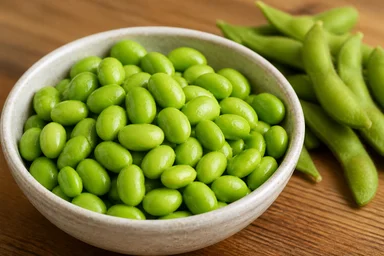
Cost and availability also vary. Dried black beans are typically cheaper per serving than canned, but require more prep. Canned chickpeas are widely available and often used in hummus. For convenience, frozen edamame (soybeans) are another option, with a GI of about 15 and 8 grams of fiber per half-cup. The key is to choose a legume that fits your taste and lifestyle, as consistency matters more than the specific type.
Another trade-off involves cooking time: dried black beans require soaking (at least 6 hours) and cooking (1–2 hours), while lentils cook in 20–30 minutes without soaking. For busy individuals, canned legumes are a time-saver but may cost more and contain added sodium. In terms of nutrient profile, black beans are particularly rich in anthocyanins (antioxidants that give them their dark color), which may offer additional anti-inflammatory benefits not found in lighter legumes like chickpeas or navy beans. A 2020 study in the Journal of Nutrition found that anthocyanin-rich foods can improve endothelial function, potentially benefiting cardiovascular health. Thus, rotating different legumes can provide a broader range of nutrients.
Counter-Arguments and Limitations
Some critics argue that the 14% reduction is modest and may not be clinically significant for everyone. Indeed, the study's participants were overweight or obese, and results may not generalize to normal-weight individuals or those with well-controlled diabetes. Additionally, the study duration was only four weeks per diet, so long-term adherence and effects on weight or HbA1c remain unknown. A 2020 meta-analysis in Advances in Nutrition found that legume consumption reduced fasting glucose by only 2-3 mg/dL on average, suggesting that the benefits may be small in some contexts.
Another limitation is that the study used canned beans, which may have different nutrient profiles than dried beans. Some canned varieties contain added sugars or preservatives, though the study used plain beans. Finally, the 14% reduction is an average; individual responses varied, with some participants showing little change. Genetic factors, gut microbiome composition, and overall diet can influence how much beans affect blood sugar. Despite these caveats, the evidence supports black beans as a beneficial addition to a balanced diet, especially when replacing refined carbohydrates.
Furthermore, some researchers point out that the study did not control for participants' baseline gut health or fiber intake. People with a diverse microbiome may digest beans more efficiently, experiencing greater glucose benefits. A 2022 study in Gut Microbes showed that individuals with higher levels of certain gut bacteria (e.g., Bifidobacterium) had lower glucose responses after legume consumption. This suggests that the effect of black beans might be enhanced by a healthy gut microbiome, which can be supported by a diet rich in diverse plant foods. However, this also means that individuals with poor gut health may see less benefit, highlighting the need for personalized dietary advice.
The Bottom Line for Everyday Blood Sugar Control
The 2023 study adds to a growing body of evidence that legumes are a powerful tool for glucose management. The 14 percent reduction in blood sugar spikes is not a cure-all, but it is a meaningful improvement that can be achieved through a simple dietary change. Black beans are affordable, widely available, and versatile enough to fit into most eating patterns.
Consistency matters more than perfection. Eating black beans five days a week may not be realistic for everyone, but even two or three servings can confer benefits. Combining beans with other high-fiber foods—like vegetables, nuts, or whole grains—can further stabilize blood sugar. Individuals with diabetes or prediabetes should monitor their own glucose response and consult a healthcare provider before making significant dietary changes.
Ultimately, the takeaway is modest: a small shift toward legumes can yield measurable results. No single food will prevent or reverse chronic disease, but adding black beans to the rotation is a low-risk, high-potential step. As with any dietary advice, individual results vary, and what works for one person may not work for another. The evidence, however, suggests that beans deserve a place on more plates.
For further reading, see our article on peanut butter and gallstone surgery or canned pumpkin and blood pressure.
Disclaimer: This article is for informational purposes only and does not constitute medical advice. Consult a qualified healthcare professional before making changes to your diet or treatment plan.