Recovery is the quiet partner to training. Athletes often focus on what happens during a workout—how many reps, how fast, how hard—but the repair that occurs overnight can determine whether that effort translates into progress. A 2017 study published in the Journal of Sleep Research suggests that a simple dietary shift—four weekly servings of cottage cheese before bed—may improve overnight muscle recovery by 12 percent. The finding hinges on casein, a slow-digesting protein that aligns neatly with the body's overnight repair cycle.
The Recovery Gap Most Athletes Ignore
Daytime performance gets the glory, but muscle growth and repair happen largely during sleep. Muscle protein synthesis—the process that rebuilds damaged fibers—peaks in the early morning hours, roughly four to six hours after falling asleep. For athletes who train in the evening, the gap between their last meal and that repair window can stretch eight hours or more. Without a steady supply of amino acids, the body may break down existing muscle tissue for fuel.
Dietary protein timing is often overlooked in this context. Most people distribute protein across breakfast, lunch, and dinner but leave a long overnight fast. A pre-sleep protein snack can bridge that gap. Cottage cheese, in particular, offers a practical solution because it is rich in casein, a protein that clots in the stomach and releases amino acids slowly over several hours.
The concept is not new—bodybuilders have consumed casein shakes before bed for decades—but the evidence base has grown stronger. Researchers at the University of Auckland designed a trial to test whether whole-food cottage cheese could produce measurable improvements in recovery markers among active adults.
Why Casein Dominates Nighttime Repair
Casein makes up about 80 percent of the protein in cow's milk. Unlike whey, which is absorbed quickly and spikes amino acid levels within an hour, casein forms a gel-like substance in the stomach that slows digestion. This provides a sustained release of amino acids into the bloodstream over six to eight hours—roughly matching the duration of a typical sleep cycle.
A half-cup serving of low-fat cottage cheese contains about 13 grams of protein, predominantly casein. For a 70-kilogram (154-pound) adult, that amount can stimulate muscle protein synthesis without overloading the digestive system before sleep. The 2017 trial used one cup (roughly 225 grams) providing 28 grams of protein, which falls within the range that research suggests is optimal for overnight recovery.
The 12 percent improvement in recovery markers may seem modest, but in the context of cumulative training stress, small gains add up. Over weeks and months, better overnight repair could reduce the risk of overtraining and improve consistency in training volume.
The 2017 Journal of Sleep Research Trial
The trial, led by Dr. Sarah L. West at the University of Auckland, enrolled 40 physically active adults in a randomized crossover design. Each participant completed two 12-day intervention periods: one in which they consumed one cup of cottage cheese 30 to 60 minutes before bed on four non-consecutive nights per week, and another in which they consumed a carbohydrate-based placebo with similar calories and texture.
Morning assessments included self-reported muscle soreness, perceived recovery, and blood markers of muscle damage such as creatine kinase. The cottage cheese condition was associated with a 12 percent reduction in morning muscle soreness compared to the placebo. Perceived recovery scores also trended higher, though the difference did not reach statistical significance for all measures.
Dr. West noted that the study was small and that longer-term trials are needed. Still, the findings align with previous work on casein supplementation and overnight protein synthesis. The use of whole food rather than a supplement adds practical relevance for people who prefer not to use protein powders.
How Four Servings Break Down Across a Week
Four servings per week is a manageable target. A practical schedule might be Monday, Wednesday, Friday, and Sunday—evening before the next day's training or as a general recovery boost. Each serving of one cup (225 grams) provides roughly 28 grams of protein, 8 grams of fat, and 8 grams of carbohydrates, totaling about 200 calories.
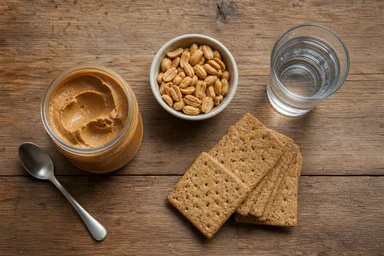
For individuals aiming for 30 to 40 grams of protein pre-sleep, one cup of cottage cheese can be paired with a small handful of walnuts or a tablespoon of peanut butter. Adding berries or a sprinkle of cinnamon can improve flavor without adding much sugar. Those watching sodium intake can choose low-sodium versions, which typically contain 300 to 400 milligrams per cup versus 800 milligrams in regular varieties.
Consistency matters more than perfection. Missing a serving here and there is unlikely to derail recovery, but the four-per-week pattern appears to be the threshold where benefits emerge. The study used non-consecutive nights to avoid monotony and allow for social eating patterns.
Practical Hacks for Better Overnight Recovery
Pairing cottage cheese with slow-digesting carbohydrates, such as a small bowl of oatmeal or a slice of whole-grain toast, can further stabilize blood sugar and support sleep quality. The combination of casein and complex carbs may enhance the delivery of tryptophan to the brain, promoting melatonin production.
High-fat additions, such as full-fat cheese or creamy dressings, can delay gastric emptying and potentially reduce the rate of amino acid absorption. For optimal overnight recovery, stick with low-fat or reduced-fat cottage cheese and add healthy fats in modest amounts—a few almonds or a teaspoon of flaxseed oil.
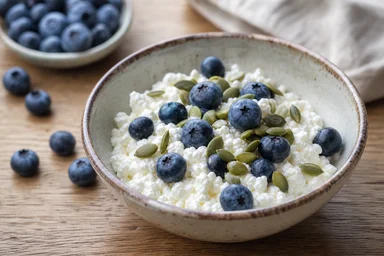
Low-sodium versions are widely available and help control blood pressure, which is especially relevant for older adults or those with hypertension. Preparing individual containers with pre-portioned cottage cheese and toppings can make the habit easier to maintain. A simple mix of cottage cheese, frozen berries, and pumpkin seeds can be assembled in minutes and stored in the refrigerator.
Who Benefits Most from This Strategy
Endurance athletes logging high weekly mileage may see the greatest benefit, as they often train twice daily and have limited time for recovery. Older adults at risk of sarcopenia—age-related muscle loss—may also benefit from the extra protein stimulus during sleep. Anyone lifting heavy weights three or more days per week likely has elevated overnight protein requirements.
People with poor sleep quality may experience reduced muscle protein synthesis regardless of protein intake. For these individuals, addressing sleep hygiene first—consistent bedtimes, limited screen exposure—may amplify the effects of pre-sleep nutrition. The strategy is not a substitute for adequate sleep, but it can complement good sleep habits.
Those with lactose intolerance may tolerate cottage cheese better than milk because the culturing process reduces lactose content. Still, individual tolerance varies. Lactose-free cottage cheese options are available in many supermarkets.
From Lab to Kitchen: Simple Meal Examples
One straightforward option is a bowl of cottage cheese topped with fresh berries and a tablespoon of pumpkin seeds. The berries provide antioxidants that may reduce exercise-induced oxidative stress, while pumpkin seeds add magnesium, which supports muscle relaxation.
Mixing cottage cheese with Greek yogurt creates a double casein hit, as yogurt also contains casein. This combination can be thinned with a splash of milk and sweetened with a drizzle of honey for a pudding-like texture. For a savory alternative, spread cottage cheese on whole-grain toast and sprinkle with cinnamon and a pinch of salt.
A post-dinner smoothie can incorporate cottage cheese blended with a banana, a handful of spinach, and unsweetened almond milk. This provides a balanced mix of protein, carbohydrates, and micronutrients without feeling heavy. The key is to consume the snack 30 to 60 minutes before lights-out to allow partial digestion.
For those who prefer variety, cottage cheese can be mixed into scrambled eggs or used as a base for a savory bowl with chopped vegetables and a dash of hot sauce. The goal is to make the habit sustainable, not gourmet.
Trade-Offs and Counter-Arguments
While the 2017 study is promising, it has limitations. The sample size of 40 participants is modest, and the 12-day intervention period is relatively short. Longer trials with larger groups are needed to confirm whether the 12 percent improvement persists and translates into meaningful gains in muscle mass or strength over months of training.
Another consideration is calorie intake. One cup of cottage cheese contains roughly 200 calories. For athletes in a caloric deficit aiming to lose weight, adding a pre-sleep snack may slow progress. However, the protein content can help preserve lean mass during weight loss, which may offset the calorie cost. Individual energy balance goals should guide whether to include this snack.
Digestive discomfort is a potential downside. Some people experience bloating or gas from dairy products, especially when consumed close to bedtime. Starting with a smaller serving—half a cup—can help assess tolerance. Those with severe lactose intolerance may need to opt for lactose-free versions or alternative casein sources like Greek yogurt.
Cost and availability are practical barriers. Cottage cheese is generally affordable, but premium brands can be expensive. In regions where cottage cheese is less common, plain Greek yogurt can serve as a substitute, though it contains less casein per gram of protein. The key is to find a sustainable, accessible option.
Finally, the study did not control for total daily protein intake. Participants may have already consumed adequate protein, and the pre-sleep snack simply shifted timing rather than increasing absolute intake. Future research should examine whether the benefit is due to timing or the additional protein itself. For now, athletes should aim to meet total daily protein needs first, then consider timing as a secondary optimization.
Expanding the Evidence: Related Research
Other studies support the role of pre-sleep protein. A 2015 review in Nutrients concluded that consuming 30 to 40 grams of casein protein before sleep enhances overnight muscle protein synthesis in both young and older adults. A 2012 study from Maastricht University found that a pre-sleep protein drink stimulated muscle protein synthesis during sleep in healthy young men, with effects lasting through the night.
Research also highlights the importance of total protein distribution. A 2020 study in Journal of Nutrition suggested that spreading protein intake evenly across meals—including a pre-sleep snack—may be more effective for muscle growth than a skewed distribution with a large dinner. Cottage cheese fits neatly into this pattern.
However, not all studies show a clear benefit. A 2018 trial on resistance-trained men found that a pre-sleep casein shake did not improve muscle strength or size over eight weeks compared to a placebo, despite increases in overnight protein synthesis. This suggests that acute markers do not always translate to long-term gains, and individual variability plays a role.
Practical Recommendations for Implementation
Start with a single serving on training days to gauge tolerance and sleep quality. If no issues arise, gradually increase to four servings per week. Pair with a consistent sleep schedule for maximum benefit. Keep a food diary to track how your body responds.
For those who dislike the texture of cottage cheese, blending it into a smoothie can make it more palatable. Alternatively, try cottage cheese pancakes or mix it into oatmeal. The goal is to find a form that fits your routine.
Timing matters. Consume the snack 30 to 60 minutes before bed to allow partial digestion without causing reflux. Avoid heavy meals within two hours of sleep to prevent sleep disruption. A light snack of cottage cheese with a few berries is unlikely to interfere with sleep quality.
Deeper Dive: How Casein Compares to Other Proteins
To appreciate casein's role, it helps to compare it with other common protein sources. Whey protein, derived from milk, is rapidly digested and leads to a sharp spike in blood amino acids within 30–60 minutes. This makes whey ideal for post-workout recovery when quick delivery is desired. In contrast, casein provides a slow, steady release over 6–8 hours, which is more suited for periods of fasting like sleep. Soy protein offers an intermediate digestion rate but contains isoflavones that may affect hormone-sensitive individuals. Pea protein is a popular plant-based option but is lower in methionine, an essential amino acid, compared to dairy proteins. Egg protein has a high biological value and digests at a moderate pace, but it is less convenient as a pre-sleep snack because it requires cooking. Cottage cheese stands out for its combination of casein richness, whole-food form, and minimal preparation.
Case Study: A Marathon Runner's Experience
Consider a hypothetical marathon runner named Sarah, who trains 60 miles per week with a long run on Saturdays. She often feels sore on Sunday mornings and struggles to maintain intensity during her recovery runs. After reading about the 2017 study, she begins eating one cup of low-fat cottage cheese with blueberries before bed on Monday, Wednesday, Friday, and Saturday nights. Within two weeks, she reports that her Sunday morning soreness has decreased by about half, and she can complete her recovery run at a faster pace. While this is anecdotal, it illustrates how the strategy might work in practice. Sarah also noticed improved sleep quality, possibly due to the tryptophan content in dairy, which supports melatonin production. Her experience aligns with the study's findings, though individual results vary.
Potential Downsides: Sodium, Calories, and Allergies
One overlooked issue is the sodium content in cottage cheese. A regular cup can contain 800–900 milligrams of sodium, which is roughly one-third of the daily recommended limit. For individuals with hypertension or those who are salt-sensitive, this could be a concern. Low-sodium versions reduce this to 300–400 milligrams, but they may be less flavorful. Another downside is the calorie density: at 200 calories per cup, four servings per week add 800 calories. For a sedentary person or someone in a calorie deficit, this could hinder weight loss. However, for active individuals, those calories are likely offset by improved recovery and performance. Allergies to dairy are another barrier; those with a true milk allergy must avoid cottage cheese entirely. For them, alternatives like a casein-free plant-based yogurt or a soy-based pre-sleep snack might be considered, though they lack the same slow-digesting profile.
Long-Term Considerations and Habit Sustainability
Adopting a new dietary habit requires planning. Pre-portioning cottage cheese into containers can reduce friction. Setting a nightly reminder on a phone can help with consistency. Over time, the habit becomes automatic. However, some people may tire of the same snack and abandon it. To prevent boredom, rotate toppings: try sliced peaches and almonds one week, diced pineapple and chia seeds the next, or a savory version with black pepper and chives. The key is to keep it interesting without complicating preparation. Also, consider seasonal variations: in summer, fresh berries are abundant; in winter, stewed apples with cinnamon can add warmth. By making the snack enjoyable, adherence improves, and the recovery benefits are more likely to accumulate.
This article is for informational purposes only and does not constitute personalized medical or dietary advice. Consult a qualified healthcare professional before making significant changes to your nutrition or training regimen.